Ravello doesn’t try to compete with the flashier towns along the Amalfi Coast. Instead, it’s perched above them, literally and in spirit. Quiet, refined, and surrounded by breathtaking views, this cliffside village rewards those who venture uphill with a calm rhythm, historic villas, and some of the best panoramas in southern Italy.
If you're short on time, Ravello makes for a perfect day trip, slow-paced yet rich in places to wander, taste, and explore. Whether you’re arriving from Amalfi, Positano, or Salerno, a day in Ravello is more than enough to fall under its spell.
Morning: A Quiet Arrival and Villa Cimbrone
Start your day early to catch Ravello before it stirs. The best way to reach it is by car or bus from Amalfi; it’s a steep, winding ride that climbs above the sea. Once you arrive, walk through the stone-paved lanes and find your way to Villa Cimbrone.
Villa Cimbrone is known for its "Terrace of Infinity," and the name isn’t poetic exaggeration. The view from this stone balcony stretches across the coastline in both directions, with sculpted busts lining the edge. On a clear morning, the sky and sea melt into each other. Beyond the famous terrace, the villa’s gardens feel like a maze of green, dotted with statues, pergolas, and quiet benches under ivy-covered walls. You won’t rush here. That’s the point.
The villa itself, now partly a hotel, has centuries of history. Though it's had renovations over time, its atmosphere remains one of quiet nobility. A slow wander through the gardens gives you a sense of what Ravello has always offered: beauty with space to breathe.
From Villa Cimbrone, head back toward the main piazza, Piazza Duomo. Before lunch, pause at the Cathedral of Ravello. Its clean Romanesque façade is simple compared to its historic significance. Inside, the marble pulpit supported by carved lions and the bronze doors from Constantinople tell stories older than the village itself.
Midday: Lunch with a View and Villa Rufolo
By midday, the heart of Ravello has more life. Cafés spill out onto the piazza, and the quiet of the morning gives way to soft conversations and clinking cutlery. Grab lunch at one of the local trattorias that offer a terrace overlooking the coast. Dishes here lean into regional staples—fresh vegetables, homemade pasta, and seafood that tastes like it came ashore an hour ago.
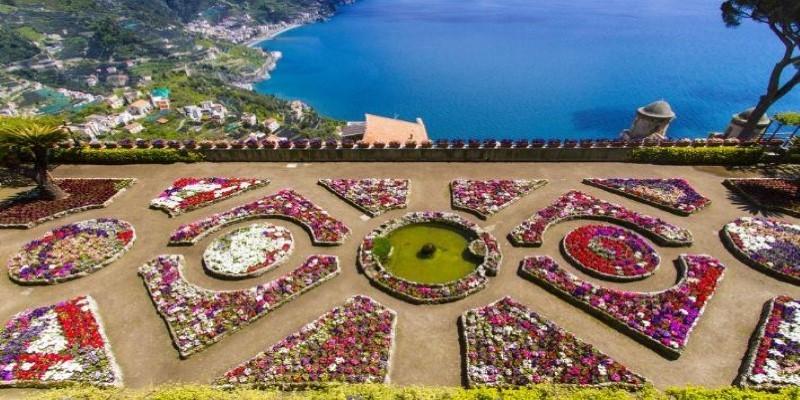
After lunch, make your way to Villa Rufolo. This villa, with its mix of Arabic, Norman, and Italian design, feels more lived-in than Cimbrone. It’s also more central. Its gardens inspired Wagner’s opera settings, and today they continue to draw artists and musicians alike. During summer months, the Ravello Festival sets up a stage that hangs above the sea, turning the gardens into a music hall suspended in air.
The tower at Villa Rufolo is worth climbing. From the top, you can see Ravello’s rooftops tumbling toward the sea, olive groves blanketing the hills, and the winding road you took to get here curling far below. The garden paths, with their manicured hedges and bursts of color, make it a comfortable place to linger.
Afternoon: Wandering the Streets and Local Stops
After seeing the two villas, it’s tempting to sit and soak it all in—and you should—but don’t skip the rest of the town. Ravello is small, but its charm comes alive in the alleys and lesser-known corners. Wander down Via San Giovanni del Toro to see smaller churches and occasional glimpses of the sea between buildings. Local ceramic shops line the walkways, each filled with hand-painted tiles in deep blues, yellows, and greens. These aren’t mass-produced souvenirs. Many studios in Ravello have passed their techniques through generations.
If you want a quieter spot, walk toward the Auditorium Oscar Niemeyer. The architecture stands out—modern and sweeping—but what it lacks in old-world charm it makes up for in its setting. The area around it is usually peaceful and has benches where you can watch the coastline curve and fade into the distance.
For those with a little extra time and energy, walk toward the path leading to the hamlet of Scala or take a short trail around the outskirts of town. The views back toward Ravello are just as special as those looking out to sea. These walks don’t take long and are rarely crowded, giving you a sense of how isolated and self-contained Ravello once was.
Late Afternoon: Coffee, Cake, and Farewell
As the afternoon stretches on, find a quiet café to settle into before heading back down the coast. Ravello’s pace invites one last sit-down, preferably with a coffee and a slice of lemon cake. Local lemons are the size of your palm and just as fragrant as you’d expect. Some cafes add candied peels or use the fruit in chilled desserts that taste like sunshine.
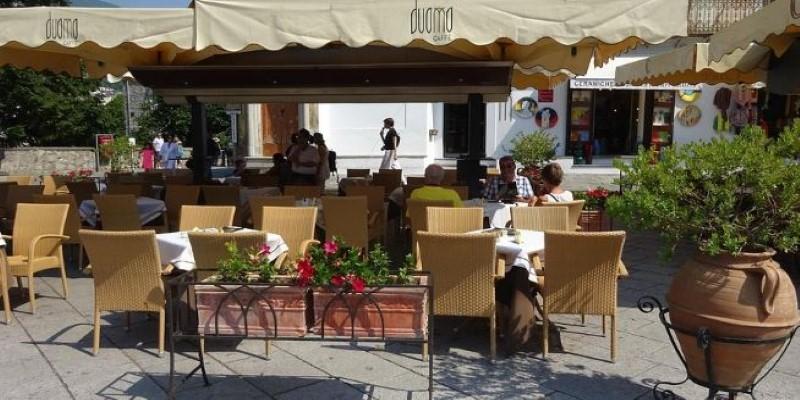
This is the time of day when Ravello starts to settle again. The day visitors trickle out. The piazza grows quieter. Locals reappear, chatting with neighbors or reading the paper. There’s no rush to leave, but if you're catching a bus or driving back toward Amalfi, late afternoon is ideal to avoid the steep roads at dusk.
One last look at the view, and it becomes clear why Ravello stands apart. While other towns may crowd the coast with color and motion, Ravello holds still. It offers the sea from above, the air a bit cooler, the crowds a bit thinner, and the beauty a bit more hushed.
Conclusion
A day trip to Ravello isn’t about ticking off sites or packing in stops. It’s about slowing down. You won’t cover miles of coastline or dozens of attractions, and that’s what makes it memorable. From the gardens of Villa Cimbrone to the music-filled terraces of Villa Rufolo, the town reveals itself one corner at a time. It rewards quiet curiosity and wandering, never asking for more than your attention. By the end of the day, the views may stick with you, but so will the rhythm of the place—the kind that lingers long after you’ve left the cliffs behind.