Degenerative knee arthritis is a common joint issue among adults, caused by the wearing away of cartilage in the knee. This can lead to pain, stiffness, and swelling, making daily activities like walking or climbing stairs difficult. Understanding its causes, symptoms, and treatment options is key to managing the condition effectively and maintaining a good quality of life.
What Is Degenerative knee arthritis?

Degenerative knee arthritis, also known as osteoarthritis or degenerative joint disease, is a chronic condition that affects the joints. It occurs when the cartilage in the knee begins to break down over time due to wear and tear. Cartilage is a firm, rubbery tissue that cushions bones and helps them glide smoothly over each other. When it wears away, bones rub against each other, causing pain and discomfort.
How the Knee Joint Works
Knee is a complicated joint consisting of bones, cartilage, ligaments and muscles. It assists you to stand up, lean and carry the weight of your body. Cartilage also has a shock absorber function as well as enabling the passage of movement among the bones with ease. Failure of this cartilage causes degenerative changes hence becoming painful and limiting movement.
Common Causes of Degenerative Knee Arthritis
Degenerative knee arthritis is by nature gradually developed given a series of years. The reasons that contribute to its growth and progress are several.
Aging
Cartilages around the joints of the older generation actually become less flexible and thinner as the individual gets older. This increases the chances of wearing out thus leading to arthritis.
Joint Overuse
Knee activities which exert recurrent stress on the knee joint like running, squatting, or heavy lifting may hasten cartilage degeneration.
Previous Knee Injuries
Fractures, ligament tears, or damage to meniscus may also lead to a weakening of the knee joint and exposure to develop arthritis in old age.
Genetic Factors
There are individuals who have genes that predispose them to joint complications, among them being arthritis.
Obesity
Excess weight in the body exerts stress on the knees during walking or standing which in turn causes the joints to wear and tear at a rapid rate.
Symptoms of Degenerative Knee Arthritis
Early detection of the symptoms would enable you to cope with the condition. The symptoms may be mild or severe depending on the cartilage damage.
- Pain and Stiffness: Pain tends to increase after any physical exercise or long rest. The joint is also very likely to be stiff particularly in the morning or after one has been sitting long.
- Swelling: Swelling and warmth in the area of the knee can be caused by inflammation of the joint.
- Reduced Mobility: As your condition advances you may have a hard time bending or straightening your knee.
- Grinding or Popping Sounds: When the cartilage becomes worn away, bones rub together so that when one moves, one hears clicking or grinding.
- Weakness or Instability: The knee can be weak or unsteady hence more difficult to execute easier activities such as going up the stairs.
How Degenerative Knee Arthritis Is Diagnosed
When the diagnosis is made correctly, it is useful in determining how to treat the patient. Various approaches are implemented by healthcare providers in an attempt to establish the condition.
- Physical Examination: The physician examines the knee joint swelling, range of movement and tenderness.
- Imaging Tests: The degree of cartilage loss and bone changes would be seen using X-rays and MRI scans.
- Medical History: Symptom details, previous injuries and family history assist in the interpretation of the factors causing the condition..
Effective Treatment Options
Swimming, cycling, or walking are some of the low-impact exercises that strengthen muscles around the knee. Flexibility, joint function is enhanced by physical therapy.
Medications
analgesics and anti-inflammatory medicines purchased over the counter would alleviate the symptoms. Depending on your condition, a healthcare provider can suggest a certain treatment.
Supportive Devices
Pressure on the knee can be mitigated by use of knee braces, walking aids, and cushioned shoes, which also enhance mobility.
Injections
In some instances, the physicians might prescribe injections to ease swelling or lubricate or grease the joint to move easily.
Surgical Options
Surgery can be an option in case of failure of the conservative practices. Surgeries such as joint resurfacing or replacement may be able to recover the functionality and relieve the pain.
Home Remedies for Relief
Home remedies are very simple and offer ease of practice in everyday life and they also manage pain.
Apply Heat or Cold
Warm a towel or ice pack to lessen the swelling and alleviate stiffness.
Stay Active
Light exercise ensures that the joint remains flexible and does not become stiff. Do not spend much time sitting without stretching.
Balanced Diet
A vitamin-rich, mineral-rich, and omega-3 fatty acid rich diet is beneficial to the development of the joint and minimizing inflammation.
Rest When Needed
Pay attention to your body and have a break when engaged in activities that elicit some form of uneasiness.
Preventing Degenerative Knee Arthritis
At the same time as you can not prevent aging, there are certain habits that can prevent or postpone degenerative arthritis.
Maintain a Healthy Weight
Maintaining the weight low will decrease the stress on the knees and will also prevent breakdown of cartilages.
Strengthen Muscles
Good and powerful thigh and leg muscles will support your knees better and will not put a pressure on your joints.
Protect Your Knees
Proper techniques should be used in exercising, supporting foot-wear used, and twisting or hitting the knees in a sudden motion or excessive impact should be avoided.
Living With Degenerative Knee Arthritis
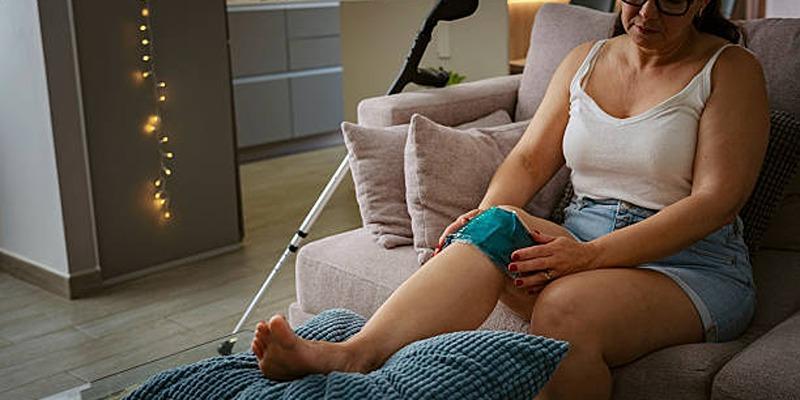
This would necessitate a combination of treatment, self-care and positive lifestyle habits to live with degenerative knee arthritis. Exercising with proper nutrition and taking proper care of your joints can go a long way in making you feel better and move easier. Adherence to your treatment is a way to avoid additional damage to your joints and to you have a better standard of life.
When to Seek Medical Help
When you experience frequent knee pains, a swollen knee, or have a problem with movement, then you should see a medical practitioner. Timely treatment can be used to reduce the disease process of arthritis and prevent chronic complications.
Conclusion
Arthritis of the knee is degenerative, and as a result, a lot of individuals experience this condition as they get old. Although it cannot be entirely reversed, by knowing its causes and treating it with lifestyle changes, exercise, and treatment options, pain can be greatly reduced, and the mobility can be improved. The positivity of caring about your knees today is the ability to move and feel good in the coming years.