Warsaw does not charm you immediately like Krakow does. It is sprawling. It is architectural chaos. You have glass skyscrapers sitting next to Soviet-era concrete blocks and restored 18th-century townhouses. For a first-time visitor, the city feels fragmented. This is a direct result of its history.
The business district around Rondo Daszyńskiego is a modern invention of the last twenty years. The distances between these points are significant. This is a wide city. It was designed with broad avenues for military parades and massive residential blocks. Walking from the Palace of Culture and Science to the Vistula River takes longer than it looks on a map.
The Airport Trap: Chopin vs. Modlin
The first logistical hurdle happens before you even land. Warsaw has two airports, and mixing them up is a common error that ruins budgets.
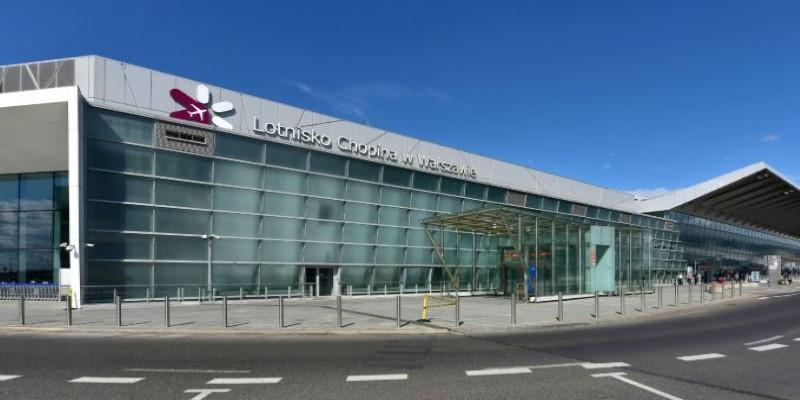
Chopin Airport (WAW) is the main hub. It is practically in the city. You can take a fast train, the SKM, or a simple bus, the 175, and be in the center in thirty minutes for the price of a coffee. It is efficient. We see business travelers land at 9:00 AM and make a 10:00 AM meeting in the center without stress.
Modlin Airport (WMI) is different. It is an old military airfield located forty kilometers north of the city. It is used almost exclusively by Ryanair. The flights are often dirt cheap, sometimes costing less than the taxi ride to get there. Getting from Modlin to Warsaw is a trek. You have to take a shuttle bus to a train station, then a train to the city, or book a direct bus that gets stuck in traffic. A taxi can cost 150 to 200 PLN. If your flight arrives late at night, the public transport options thin out comfortably. We often see tourists save twenty Euros on a flight only to spend forty Euros and two hours of stress getting to their hotel. Check the airport code carefully.
Public Transport and the Validation Headache
Warsaw has one of the strongest public transport networks in Europe, yet the ticket rules trip up a lot of visitors. You’ve got trams, buses, and two Metro lines. The Metro is quick and spotless. M1 runs north–south, and M2 cuts east–west.
The one thing you absolutely need is “Jakdojade.” It’s a phone app that maps out connections and sells tickets. But buying a ticket in the app isn’t the final step. You still have to validate it. In the app, that means scanning the QR code posted inside the bus or on the Metro gates. If you buy a paper ticket from a machine, you need to stamp it in the yellow validator as soon as you get on.
Inspectors show up often. They don’t bend the rules for tourists. Owning a ticket but failing to validate it won’t help you. The fine is sharp.
Another common problem is confusion about zones. Central Warsaw is Zone 1. The suburbs fall into Zone 2. The airport is also Zone 1. Most travelers never need a Zone 2 ticket unless they’re heading far out. Don’t waste money on a full-zone pass if you’re staying between the Old Town and the Palace of Culture.
During rush hour, trams usually beat buses because they stick to their own tracks. The tram network stretches across the city. Lines 7, 9, and 24 handle a huge share of cross-city travel. If you spot a tram at a standstill, it’s usually thanks to a blocked junction; otherwise, they run reliably.
The Two Warsaws: Left Bank vs. Praga
The Vistula River cuts the city in half. Most tourists stay on the Left Bank. This is where the Old Town, the Royal Route, and the modern hotels are. It is polished. The sidewalks are paved. The restaurants have English menus.
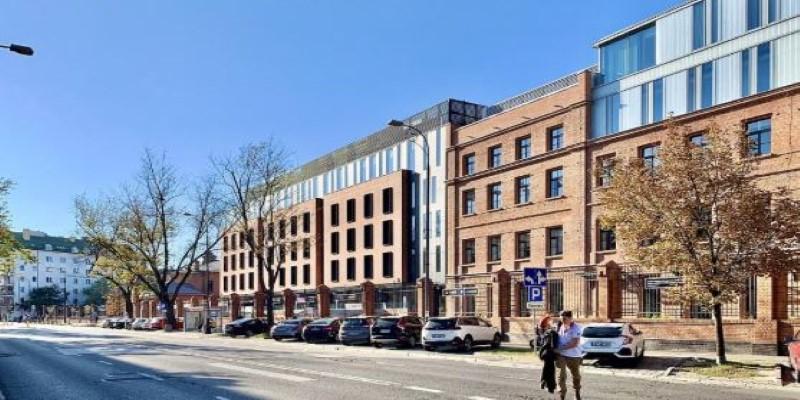
The Right Bank, specifically the Praga district, is where the atmosphere shifts. Praga was not destroyed during the war to the same extent as the center. You still see bullet holes in the brickwork of the pre-war tenements on Ząbkowska Street.
For a long time, Praga had a reputation for being dangerous. That has largely faded, but it still has an edge. It is now the center of alternative culture. The "Soho Factory" area and the "Koneser" vodka factory (now a campus of restaurants and museums) are the main draws.
Visiting Praga requires a mindset shift. It is less about checking off monuments and more about atmosphere. You go there to visit the Neon Museum, which houses the glowing signs of the Cold War era. You go to see the courtyard shrines where locals still light candles. The Metro M2 line connects the center to Praga in minutes. Get off at "Dworzec Wileński" to be in the thick of it.
Museum Fatigue and the Uprising Narrative
Warsaw has two heavy-hitter museums that dominate itineraries: The Warsaw Rising Museum and POLIN Museum of the History of Polish Jews. Both are world-class, but doing them on the same day is a mistake. They are emotionally draining and information-dense.
The Warsaw Rising Museum focuses on the 1944 battle against the German occupation. It uses sound, light, and narrow corridors to recreate the claustrophobia of the uprising. It is effective, but it creates bottlenecks. We advise clients to go early on a weekday. On weekends, the narrow paths clog up with tour groups. You end up shuffling past exhibits without seeing them.
POLIN is different. It is spacious and light. It focuses on a thousand years of history, not just the Holocaust. It is located in the Muranów district, which was the former Ghetto. The building itself is an architectural statement.
A common oversight is skipping the National Museum. It is quieter. It houses the Gallery of Faras, which contains ancient Nubian frescoes saved from flooding in Egypt. It is a surreal experience to see African desert art in the middle of Poland. It offers a break from the intense World War II history that permeates the rest of the city.
For a lighter experience, the Pinball Station museum is a niche favorite. It is full of playable vintage pinball machines. It works well as a palate cleanser after a morning of heavy historical touring.
Conclusion
Warsaw rewards the traveler who looks past the concrete surface. It is a city of layers. You have the reconstructed historic core, the Soviet-imposed grandeur, and the modern capitalist energy all fighting for space. Navigating it requires understanding the transport zones and accepting that the beauty here is often hidden in a courtyard in Praga or a park on the riverbank. Don't try to compare it to other European capitals. It is its own distinct, resilient entity.