Wearables promise to show you what happens while you sleep. That idea catches attention fast, and this is how many people use them to watch nighttime habits and spot patterns affecting rest. Yet questions always pop up. How accurate are these devices when it comes to sleep stages, overall sleep quality, or tiny nighttime changes?
Quick story: A friend recently told me her watch said she slept “great” after a night she was tossing around for hours. And it's moments like those that have many people questioning how much wearables really know.
How Wearable Devices Track Sleep
Most wearables rely on a combination of sensors to estimate sleeping patterns. These include accelerometers that measure movement, along with optical heart-rate sensors that monitor heart rate and heart-rate variability, or so-called HRV. They also use algorithms that study this sensor data to estimate sleep stages.
The body moves less when one is sleeping, the heart rate slows down. Wearables watch for these changes to decide whether someone is asleep or awake. Other advanced devices also check skin temperature, oxygen saturation-known as SpO₂-or even breathing rate to sharpen their estimates. These tools can give useful estimates; they do not measure brain activity directly. That is important because brain activity is considered the gold standard for sleep tracking. So, wearables can show trends. They cannot act as diagnostic tools.
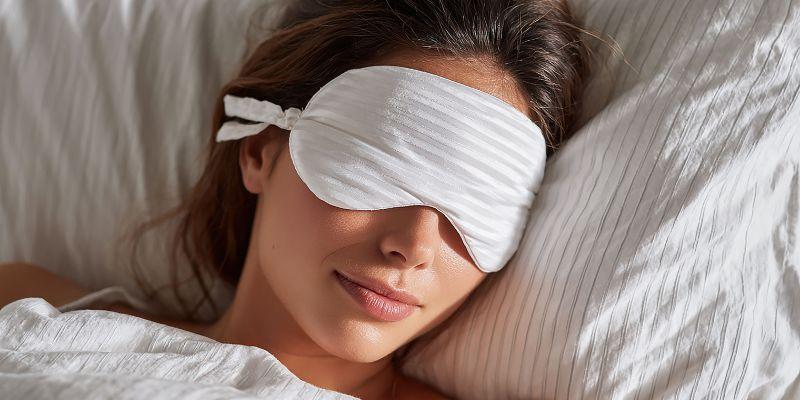
Understanding Sleep Metrics in Wearables
Most wearables create reports with familiar sleep categories. These include: total sleep duration, sleep stages, such as light, deep, plus REM sleep, sleep latency, which is the time it takes to fall asleep, sleep efficiency, which is the percentage of time in bed spent sleeping, plus restfulness, which reflects movement during sleep. These figures bring out trends. They are still estimates. The devices use external signals and not direct data from the brain, so inaccuracies can occur.
Sleep-Wake Detection Accuracy
Wearables tend to do well in telling sleep from wakefulness. Most studies show that they correctly detect it about 85 to 90 percent of the time. When the body stays still plus the heart rate drops, the device usually gets it right.
This is rather different when it comes to estimating nocturnal wakefulness, where light movements or brief awakenings often slip unnoticed. The outcome is that total sleep time could appear longer than it actually was. Accuracy may vary depending on restlessness, sleeping position, device placement, or sensor sensitivity. So, the actual count of awakenings may be higher than what the device reports.
Reliability of Tracking Sleep Stages
Sleep stages provide the biggest challenge for wearables. Light, deep, and REM sleep require tracking of brain waves, eye movement, plus muscle activity. Wearables cannot measure any of these directly. They instead rely on heart rate patterns and movement. These cues help but do not provide exact answers. This leads to common issues: Overestimation of deep sleep. Underestimation of REM. Difficulty discerning light sleep from quiet wakefulness. Night-to-night variability as algorithms shift. So, wearables can show trends. They can't guarantee precision.
Interpreting Sleep Scores and Daily Reports
Many devices give one single "sleep score." The score blends factors including sleep duration, stages, restfulness, and heart-rate patterns. These scores help highlight long-term habits. They do not measure health. A high score does not always match how rested an individual is. A low score can produce unnecessary worry over nothing specific. Even something as simple as wearing the device loose can skew results. So a gentle suggestion: use sleep scores as loose guides rather than as strict rules.
Advantages of Sleep Tracking Wearables
Even with its limits, wearables offer real value. They are convenient. They monitor sleep without any lab-style equipment. They reveal long-term trends that show how habits shape rest. They support awareness and encourage healthier routines. Many devices add insight into movement, oxygen saturation, or breathing rate. These additional clues may lead to helpful conversations with a healthcare provider. So, wearables can act as friendly tools to help establish good sleep habits.
Limitations and Potential Concerns
Wearables have clear limits. Stage tracking is not exact. Continuous tracking may create "sleep tracking stress." Software updates can alter how the data is interpreted. Room temperature, moisture, or movement can impact performance. Another important note: Wearables cannot diagnose sleep apnea or insomnia. Understanding these limits helps set calm, realistic expectations and keeps small variations from becoming sources of worry.
Wearables vs Clinical Sleep Studies
Clinical sleep studies, or polysomnography, continue to be the most accurate way to study sleep. These studies include the monitoring of brain waves, also known as EEG, eye movement, also referred to as EOG, muscle activity, also called EMG, heart rhythm, respiratory patterns, and oxygen levels. Wearables depend exclusively on external sensors. The purpose is different, too. They are useful tools but not a substitute for medical tests. In cases where loud snoring or gasping, frequent awakenings, daytime fatigue, possible sleep apnea, or persistent trouble with falling or staying asleep occurs, it is better to seek medical evaluation rather than depend on a wearable. Clinical testing will paint a much clearer picture should symptoms persist.
How to use wearable sleep data responsibly
The majority of people use wearables for awareness, not for medical precision. That does make them quite useful if interpreted with patience and balance. Watch for trends, not nightly details. Make changes in routines related to bedtime consistency or screen habits. Pay attention to how the body feels. Don't worry if a score dips now and then. Let the data guide healthier habits. Not control them.
Conclusion
Wearable devices offer easy ways to explore sleep patterns. They do well in estimating total sleep time and spotting broad trends. They struggle with details like sleep stages or brief awakenings. They cannot replace clinical sleep studies. Yet they still offer insights that support healthier sleep. Understanding how they work and knowing their limitations helps in using them calmly and wisely. Viewing data as estimates, not actual, keeps stress low and confidence high. Take a friendly approach, then. Let your wearable be your guide to shaping habits that support better rest and brighter mornings.