There’s something unforgettable about sitting in a safari jeep, the morning sun still soft, the air crisp, and the bush alive with sound. You hear a rustle, the dry grass sways, and for a split second, your breath catches. There it is—a leopard, golden eyes glinting in the light, staring right back at you. Few travel experiences can stir the soul quite like this. Being only a breath away from such a powerful, graceful predator is not just a thrill; it’s a reminder that nature still rules in its purest form.
Safari trips are not about chasing danger. They’re about connection—about feeling part of something much older and much wilder than our daily routines. Among all the big cats, leopards are perhaps the most elusive. They move silently, blend perfectly into their surroundings, and appear when least expected. To see one in the wild feels like nature letting you in on a secret. But if you’re dreaming of that moment, not all safaris offer the same chance. Some places give you far better odds of meeting this mysterious hunter, and they do it safely and responsibly.
Londolozi, Sabi Sands, South Africa
If there’s one place known for regular leopard sightings, it’s Londolozi. Located within the Sabi Sands Reserve bordering Kruger National Park, this area is home to a thriving leopard population. Decades of careful conservation and patient observation have made these animals more relaxed around safari vehicles, allowing guests to watch them up close without disturbing their natural rhythm.
Here, leopards are not just spotted—they’re known individually. Families have been observed across generations, giving guides insights into their habits and territories. You might watch a mother carrying her cub through the tall grass or a male perched on a tree branch guarding his meal. These are moments of raw life, unfolding right before your eyes.
The experience at Londolozi goes beyond photography. It’s about witnessing wild nature on its own terms. Sitting quietly as a leopard yawns and stretches under the soft light of dawn, you feel something shift inside—a quiet respect for the untamed balance that keeps this land alive.
Saruni Samburu, Kenya
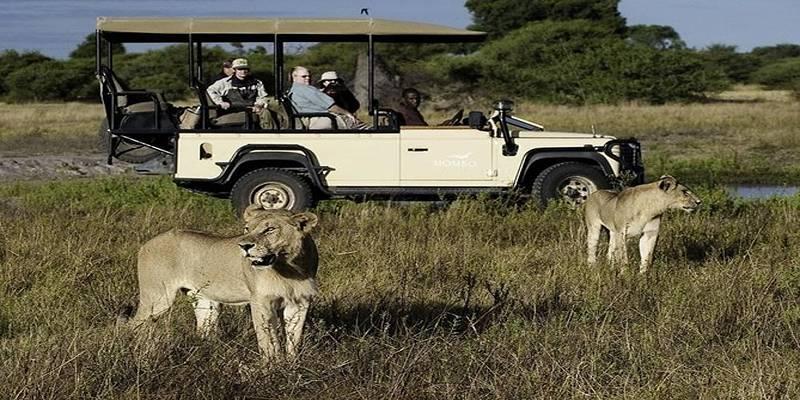
In the northern heartlands of Kenya, where rugged hills meet endless savannah, lies Saruni Samburu. This place is not just another safari lodge—it’s a window into leopard country. The region’s rocky outcrops and dry riverbeds make perfect hiding spots for these cats. What makes Saruni Samburu special is the knowledge of its local guides. Many of them grew up in this land and can read the bush like an open book.
While guests sit quietly in open vehicles, guides scan the terrain for paw prints, broken branches, or even the faint alarm calls of birds that signal a predator’s presence. Sometimes, a leopard will appear on a rocky ledge, stretching lazily before moving through the shadows. It’s not unusual to find one just a few meters away, eyes fixed on you with calm curiosity. And while it feels close, every step of the encounter is managed with deep respect for the animal’s space and behavior.
At sunset, as the sky turns amber and the bush grows still, you may hear the soft rasping call of a leopard echoing through the valleys—a wild lullaby that few ever forget.
Chinzombo, South Luangwa, Zambia
Zambia’s South Luangwa National Park is often called the “Valley of the Leopard,” and with good reason. The lush riverbanks and dense forests offer perfect conditions for these cats. At Chinzombo, you stay in the heart of this landscape, surrounded by the calls of hippos, baboons, and the ever-watchful leopards that roam nearby.
What makes South Luangwa remarkable is its natural balance between predator and prey. The park’s ecosystem thrives with life, and leopards are often seen lounging on tree branches or stalking silently through the undergrowth. Some visitors have been lucky enough to see several leopards in a single day—a rare privilege even in Africa.
Night drives are particularly thrilling here. With spotlights sweeping gently across the terrain, the darkness reveals its secrets. The glint of two eyes in the distance might be the start of an unforgettable encounter. The guides, with their deep knowledge and quiet confidence, make every sighting feel personal and safe.
Naibor Camp, Masai Mara, Kenya
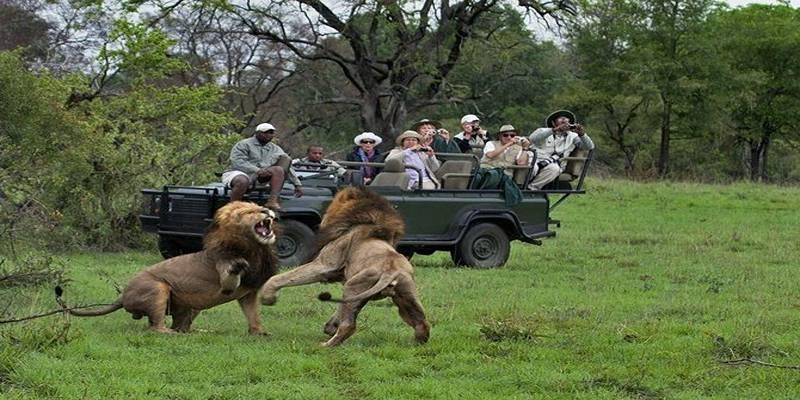
The Masai Mara is famous for the great migration, but it’s also a haven for leopards. Naibor Camp sits close to the Talek River, a perfect hunting ground for these stealthy cats. The combination of water, shade, and prey makes this area one of the most reliable spots to witness leopard activity.
What adds to the experience is the presence of Maasai guides. Their ancestral knowledge of the land brings a depth to every safari. They know how to read the silence of the bush, when to pause, and when to move. With them, you’re not just observing—you’re learning how to listen to nature.
Sometimes, as you follow a trail along the river, you may come across a leopard stretched on a low branch, watching quietly as the world passes below. These moments aren’t planned or staged. They happen because patience meets wild grace. And when they do, the memory lingers long after the trip ends.
Conclusion
Being one breath away from a leopard changes the way you see everything. It’s not about chasing thrills or ticking animals off a list. It’s about stepping quietly into a living world where every sound, scent, and movement has meaning. Safari trips in Africa, from the rocky landscapes of Samburu to the lush valleys of South Luangwa, offer more than just sightings—they offer connection.
When you meet the gaze of a leopard, calm yet commanding, you realize that this is not just an animal; it’s the heartbeat of the wild itself. And for a brief moment, as your breath meets the stillness of the bush, you are part of that heartbeat too.