Taking an ice bath also known as cold-water immersion has been a trendy form of recovery among athletes and fitness enthusiasts. It is claimed many times, it works with sore muscles, increases energy and even sharpens minds. Nevertheless, should you home brew it? The concept itself is not tricky (all you need to do is put some cold water in a tub), but it is better to learn how it works, what its advantages are, and what other facts you should consider before you begin.
What Is Cold-Water Immersion?
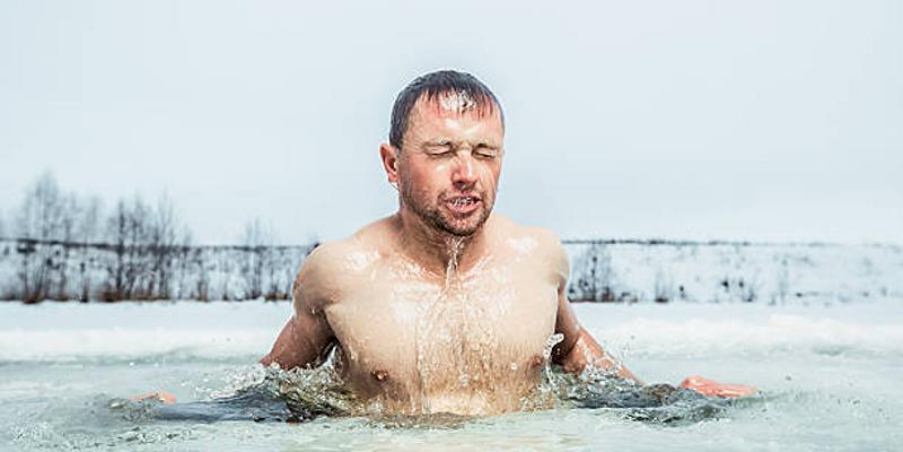
A recovery technique, commonly referred to as an ice bath is the one in which you plunge yourself in cold water after vigorous exercise has taken place. The notion is to alleviate muscle pain, edema, and physical exhaustion. This has become widespread among athletes and fitness enthusiasts and anybody wishing to have a quicker recovery after exercising physically.
When you submerge into cold water, your blood vessels shrink and that will assist to ease the inflammation and clear your muscles of metabolic waste. As soon as you get out and warm up, your blood flow goes up again, and this way oxygen and food are delivered to your muscles with better efficiency. Such a procedure can assist your body to heal and become less painful.
How Does Cold-Water Immersion Work?
Knowing the way the cold-water immersion can impact your body can facilitate its better use. It has a science behind it and this is why several individuals feel less fatigued and less sore after it.
The Science Behind Ice Baths
Thermal stress is experienced in your body when you get into the cold water. A decrease in temperature causes a number of physiological responses. Your heart beats slow, your inhalation is more profound and your physique tries even more to keep its center temperature.
This cooling effect narrows the blood vessels thereby restricting swelling and muscle inflammation. As you come back to normal temperature your blood vessels are enlarged once again and facilitate blood flow. This lean contraction and expansion aids to reduce soreness and can increase muscle recovery.
Duration and Temperature
Professionals usually suggest a range of 10 deg C to 15 deg C (50 F to 60 F). The average time spent at home is between 5 and 10 minutes. The longer things are not always more effective, and can even get you cold. Never rush, but wait and see what your body responds to.
The Benefits of Cold-Water Immersion
Ice baths do not just provide cooling effects. They aid the healing process of your body and they may enhance physical and psychological health when utilized well.
Reduces Muscle Soreness
Athletes have made ice bath one of their primary ways of relieving the pain in the muscles after a rigorous workout. Cold temperature serves to reduce the inflammation and the tension of the muscles and makes the process of recovery easier and quicker.
Improves Circulation
Exposing your body to cold water triggers blood flow when you are again in good spirits. This enhances blood flow to muscles and body tissues and, as a result, facilitates healing and leaves you more rejuvenated.
Boosts Mental Well-Being
The majority of participants describe the feeling of being awake and relaxed following the cold-water immersion. The cold water shock causes endorphins to be released to stimulate your mood and to have a better state of mind. It is also capable of making you feel that you have done something and that you have control of your body.
Improves Recovery of Sportspersons
In case of regular training and exercise, ice baths may be an effective way of lessening the time between sessions. Cold-water therapy will enable the muscles to heal quicker and enables training to be regular without much fatigue or soreness.
Possible Drawbacks and Precautions
There is nothing cold-water immersion without. Realizing its possible pitfalls, can get you to be safe and effective in your choices.
Discomfort and Cold Shock
The first dip of cold water may be severe. At the beginning, it can lead to a rapid and shivering breathing. First very short sessions which progressively become longer with warmer water will reduce the amount of discomfort that you experience.
Not for Everyone
Individuals having some health conditions, in particular heart or circulation problems, may not be able to use cold-water immersion. Speak to a healthcare professional to start any new recovery routine, in particular, to have medical concerns.
Excess It can Decrease Training Benefits
Ice baths may be effective in relieving soreness, but their excessive use may disrupt muscle development. According to some studies, cold exposure that frequently follows the strength training can inhibit muscle adaptations. Their best bet is in a strategic manner-that is, they should use them primarily when there are high intensity or endurance sessions.
When Should You Use an Ice Bath?
Your ice bath can either work or not work depending on timings. When to use it, at an opportune time, makes your body recuperate and perform better.
After Intense Exercise
Immersion into cold water is best done shortly after any vigorous activities, e.g. long run, heavy lift or high intensity training. The cold water aids in reducing the inflammation and soreness which occur after hard sessions.
During Recovery Phases
Ice baths may also be done in recovery weeks or after competitions. This helps your body to restart, enhance circulation and decrease fatigue accumulation in your body after several sessions of training.
Tips for a Safe and Effective Ice Bath
By adhering to the basic precautionary measures, you can experience the rewards and not to needlessly suffer and expose yourself to danger. It is important to prepare and time.
Start Slowly
Do not plunge into ice water. Start at moderately cool temperature, such as 15degC (59degF), and remain in it throughout 3-5 minutes. It can be reduced in degrees with time, and increased in length.
Focus on Breathing
Breathing Definitely take in deep breathing, which allows you to remain calm and eases up the initial shock. Attempt to flexibility your shoulders and do not strain them which increases the intensity of the cold.
Use a Timer
Turn on a clock to be sure you are not spending a lot of time in one place. With a little time, ten minutes is normally sufficient to have the benefits without excessing.
Alternatives to Ice Baths
In case sitting in cold water will be too unpleasant, one can resort to the avenues that provide equivalent advantages with fewer adverse effects.
Cold Showers
Less intense benefits are provided with cold showers. They are not as challenging to perform on a daily basis and assist in gradually developing ability to withstand a cold climate.
Contrast Therapy
Contrast therapy is based on the use of alternating cold water and warm water. This is a better way of improving blood circulation and allows the muscles to relax and enjoy the warmth.
Active Recovery
Gentle exercise such as walking, stretching or yoga may maintain blood flow and alleviate soreness and discomfort too, without cold-water immersion.
Conclusion
Cold water immersion may serve as a good method of accelerating recovery, muscle relaxation, and mental alertness. Nevertheless, it is necessary to apply it properly and reasonably. Ice baths do not provide a panacea to any fitness and wellness program, but when placed strategically, it can be an essential component of the balanced program. Like in any other cases, should you choose to taste it, you should take it slowly, be consistent and put your safety and comfort into consideration.