The Wave is a sculpted sandstone formation tucked inside Coyote Buttes North on the Arizona–Utah border. It looks like frozen surf poured over striped rock, then paused mid-curl. People often ask if it is real because the colors feel painted and the lines feel too perfect. It is real, and it is delicate. Access is limited by a permit system to protect the area and keep the experience calm.
That means a visit takes a little planning. It is a day hike on rugged desert terrain, with no shade, no services, and a route that asks you to pay close attention. If you come ready, you will walk into a scene that feels like art you can step inside.
Permits And Planning Without Stress
Permits are required for Coyote Buttes North, the area that holds The Wave. The permit process runs through the Bureau of Land Management. There is an online lottery ahead of time and a separate process for short notice. Rules change from time to time, so read the official page before you make other bookings.
Do not try to hike without a permit. Rangers do patrol, and the limits exist to keep the fragile rock from wearing down. If you do not get a permit on the first try, treat it like applying for concert seats. Try again during another window, keep your dates flexible, and have a backup hike in mind so your trip still feels worthwhile.
Best Time To Go
Spring and fall tend to bring kinder temperatures for long desert walks. Summer can be very hot, and winter can be cold and windy, with short days that compress your time on the trail. Light matters more than many expect. The Wave photographs well from late morning through early afternoon when the stripes glow.
Early light can be soft and kind to color. Late light stretches shadows across the ridges. Clouds change the feel of the rock and can help you avoid harsh glare. Check the forecast a day or two ahead, not just for rain but for wind that can turn sand into little needles.
Getting To The Trailhead
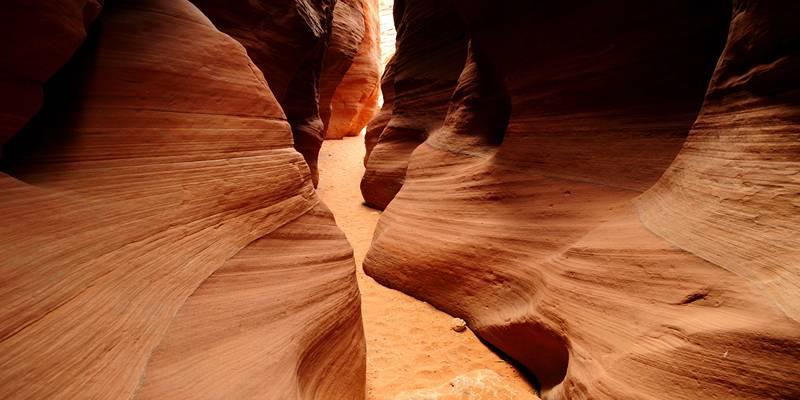
Most hikers start from the Wire Pass trailhead off House Rock Valley Road. The road is dirt and clay-based. After rain, it can turn slick and tricky. High clearance helps when ruts form. Before you leave pavement, confirm the latest road status with local ranger updates or visitor centers. At the trailhead, you will find signs and a map board.
The route to The Wave is not a single signed path the whole way. You will cross open slickrock and sand. Your permit packet includes route photos and bearings. Study them. Many hikers save the images on their phone and carry a printed copy in case batteries fail.
The Hike: Distance, Effort, And Pace
The round trip is a moderate distance for many active hikers, yet the terrain makes it feel longer. Sand steals energy, and the sun drains focus. Start early, move at a steady pace, and take short breaks in slivers of shade when you can find them.
Keep an eye on landmarks like distinct buttes and drainages. When you crest the final rise and see the famous troughs and lines, give yourself a minute to soak it in before you reach for the camera. The place invites quiet.
Staying Safe In A Harsh Desert
Desert hiking is simple in theory. Bring water, wear a hat, use sun protection, and follow your route plan. The part that trips people up is volume. Carry more water than you think you will need. Dehydration sneaks up on you when the air is dry. Salt and snacks help keep you steady. Tell someone when you plan to return and stick to your plan.
There is little to no cell service for large stretches. Good footwear with grip matters on slickrock. A light layer helps with the wind that can cut the heat off your skin in a minute. If the forecast calls for storms, remember that flash floods can run down nearby slots and washes even when the sky above you looks clear.
Photographing The Wave With A Light Touch

You do not need fancy gear to bring home great images. A phone or a small camera works because the subject carries the frame. Clean your lens, watch your horizon, and move your feet rather than leaning on Zoom. Step back to include the sweeping curves. Step close to show thin lines in the rock that look like brush strokes.
Shoot a few frames with a person for scale, then put the camera down and look with your eyes. Avoid trampling cryptobiotic soil and sensitive crust around the formation to chase a new angle. If many people are present, take turns with the classic spots and share the space with patience. That simple courtesy makes the whole scene better for everyone.
Weather Surprises And Smart Flexibility
Plans meet reality in the desert. Wind may arrive early. A thin cloud deck may dull midday color. If that happens, shift your focus. Look for reflected light in shaded pockets that turns stripes into soft pastels.
Find small curves that hold pools after rain and frame them against bands of orange and pink. If the road out looks worse than the road in, give it time to dry rather than chewing it up and getting stuck. Flexibility is not magic. It is simple awareness paired with calm choices.
Conclusion
The Wave rewards hikers who plan with care, carry what they need, and move with respect. It is a day walk, yet it lingers in your head like a favorite song. Think of the stripes as lines on a record, holding stories from wind, water, and time.
You do not need to chase a perfect shot or a perfect moment. You only need to pay attention. From the first sandy step to the last look back, keep your footprints light and your pace steady. If you do that, The Wave will feel less like a spot on a map and more like a quiet promise you kept to yourself.