VAT hides in plain sight because it often sits inside the price, not beside it. You see a neat number. The tax is already baked in. Digital platforms add service and processing fees where VAT applies again. Small line items stack. Streaming. In-app extras. Delivery and return costs. Each looks harmless. Together, they dent your monthly budget more than you expect.
We wrote this guide to help you spot the triggers. Physical goods are simple. Services and digital perks are not. Some charges are taxable, others are zero-rated, and a few are exempt. The rules shift by product type and country. That gap creates surprises at checkout. We show you where VAT lives, why it appears, and how to catch it before it catches you.
Streaming Subscriptions You Barely Notice
Streaming looks cheap because the monthly price already includes tax in many regions. VAT often applies to the core plan, HD upgrades, add-on channels, and cloud storage. Family sharing, extra screens, and ad-free tiers raise the taxable base. You see a flat fee. The tax quietly scales with every add-on.
Open the billing history and look for a separate tax line or a note that prices include tax. Toggle tax-inclusive pricing in account settings. Check invoices when switching from monthly to annual, since you prepay the full taxed amount. Track trials that roll into higher tiers, which lock in bigger VAT.
Food Delivery Fees That Add More Than Dinner
The meal price is only part of the bill. VAT can hit service fees, delivery fees, and small order surcharges, even when the menu shows tax included. Platform promos usually discount the food, not the taxed fees. That leaves the after-checkout total higher than the app’s first estimate.
Compare pickup and delivery for the same cart. Pickup often avoids delivery-specific fees where VAT applies. Watch for bottle deposits or packaging charges that may be taxable. Read the receipt breakdown, not just the total. If you expense meals, download the tax invoice so finance can reclaim eligible VAT.
Ride-Hailing Fares That Feel Like Just A Tap
With ride-hailing, VAT can apply to the base fare, booking fee, and surge. Airport or city fees can be taxable, too. Cancellation charges sometimes carry VAT because they are considered a service. Tips are treated differently by platform and region, so do not assume the same rules every time.
Use upfront pricing and expand the fare details before you confirm. Compare economy vs premium since the higher base increases tax. Add your work profile and request tax invoices by email for each trip. For frequent routes, save screenshots of price components so you can spot fee changes that add VAT.
In-App Purchases That Seem Like Pocket Change

Coins, skins, filters, and ad removals look tiny, yet VAT often applies to every micro-transaction. Subscriptions inside apps count too, including premium trials that flip to paid. Regional app stores usually collect VAT on behalf of developers, so the tax lands before you even see a receipt.
We suggest checking the app store tax policy tied to your billing country. Review the invoice email for a tax line or “tax included” note. Bundle monthly add-ons into a single subscription where possible. Fewer transactions mean fewer taxable events and a clearer view of your real spend.
Event Booking Charges That Tag Along
Tickets are only half the story. Booking, processing, and facility fees can be VAT-able even when the base ticket shows tax included. Delivery options like mobile transfer or print at home may carry taxable admin costs. Refund insurance and seat upgrades can expand the taxable base.
Before you lock in seats, expand the fee breakdown. Compare official box office vs third-party platforms, since fee structures and tax treatment differ. If you buy for a company event, download the tax invoice for reclaim. Set price alerts early, because late surcharges plus VAT can wipe out “deal” savings.
Gym Perks Beyond The Treadmill
Memberships, drop-in classes, and premium zones like a spa or sauna often attract VAT. Extras such as towel service, locker rentals, and personal training can be taxed separately from the base membership. Bundles feel cheaper, yet they can pull more items into the taxable basket.
Ask for an itemized contract that lists the tax per service. If you pay annually, confirm whether the price includes VAT and how rate changes are handled. Pause fees and cancellation charges can be taxable, so check the terms. Keep monthly invoices. If you expense wellness benefits, clear VAT treatment with HR early.
Household Services You Outsource
Home help feels simple, yet VAT often sits on labor, call-out fees, and consumables. Cleaning, handyman visits, pest control, appliance installs. Even travel time or minimum-hour charges can be taxable. Sole traders may be below registration thresholds, while larger firms must charge. You need clarity before work starts.
Ask for a written estimate that states whether prices include VAT. Request an itemized invoice with the provider’s VAT registration number. Confirm if cancellation, revisit, or disposal fees are taxable. For recurring visits, review quarterly to catch quiet price lifts that raise the taxable base without fanfare.
Pet Care That Isn’t Just Kibble
Pet costs go beyond food. Grooming, boarding, daycare, training sessions, and pet taxi services often carry VAT. Vet-prescribed medicines may be treated differently, but extras like nail trims or specialty shampoos are usually taxable. Package deals can pull multiple services into one bigger taxable charge.
Book with providers who issue proper invoices and list tax clearly. Compare per-visit rates to monthly packages, since bundled perks can increase VAT exposure. Ask which add-ons count as supplies versus services. If you travel often, price out multi-day boarding with taxes included to avoid last-minute surprises.
Phone Accessories You Grab At Checkout

Cables, chargers, cases, and screen protectors tend to live squarely in the VAT zone. Bundles with earbuds or power banks do too. Point-of-sale impulse buys hide tax inside a neat price, so small upgrades push up the final cost more than you expect.
Before you tap to pay, compare certified third-party accessories to first-party ones with tax included. Watch extended warranties, protection plans, and recycling or e-waste fees, which may also be taxable. If you buy for work, keep digital invoices so finance can reclaim eligible VAT on accessories.
Bottled Drinks That Travel With You
On-the-go drinks add up fast. Bottled water, iced tea, energy drinks, and flavored seltzers often include VAT in the shelf price. Multi-buy deals look friendly, but the tax scales with quantity. Convenience stores and vending machines rarely itemize tax, so the total feels like the product only.
We suggest checking unit pricing on the label and comparing it to larger formats. Refill stations or filters can cut both price and tax over time. If you stock an office fridge, ask suppliers for tax invoices. Small daily habits become big monthly VAT once you track them.
Online Courses With Certificates
Many paid courses include VAT, especially when they provide structured content plus assessments. The certificate, graded projects, or bundled coaching can expand the taxable portion. Free content might be exempt, while the add-on exam and print certificate are not. The split is rarely obvious on the landing page.
Open the checkout breakdown before you enroll. Compare “course only” to “course plus certificate” and note the tax change. If your employer reimburses learning, request a formal invoice with tax lines. Annual learning passes can reduce per-course VAT, but only if you actually use them.
Delivery And Return Costs You Forget To Count
Shipping looks small until VAT lands on expedited options, handling, and packaging. Saturday delivery and oversized items often carry extra taxable fees. Returns are not free either. Restocking, label charges, or courier pickup can be VAT-able, even when the product refund processes cleanly.
Before you buy, simulate checkout with standard and express shipping. Capture the tax difference. Save retailer policies that state whether return and restocking fees include VAT. For frequent online orders, batch purchases to reduce shipments. Fewer parcels, fewer taxable add-ons, and a total that matches what you planned.
How To Spot VAT Without Breaking Your Flow
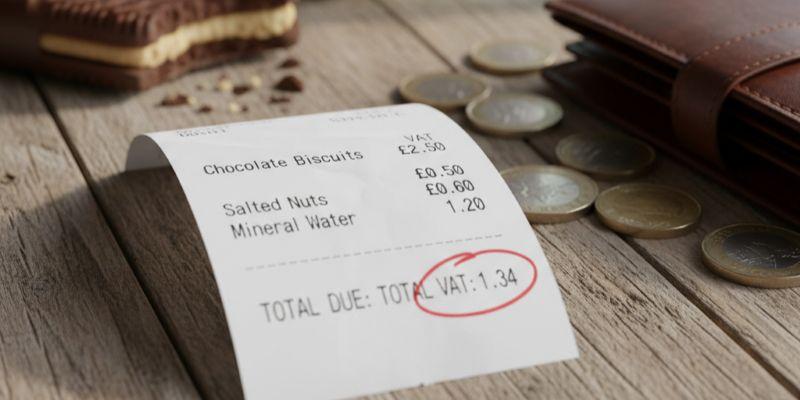
Start with receipts. Expand the price breakdown on apps and checkout pages. Look for “VAT,” “sales tax,” or “tax included.” Toggle tax-inclusive pricing where offered. Save PDFs for anything you might expense or reclaim. If a vendor won’t itemize, ask. A proper invoice with a tax line is non-negotiable.
Build quick habits. Check whether fees are taxable before you add upgrades, rush shipping, or protection plans. Compare monthly vs annual to see how prepayment changes the tax hit. Bundle recurring add-ons so you’re not paying VAT on ten micro-charges. Track small subscriptions in one sheet.
Spot patterns. When the base price jumps, VAT jumps with it. When a platform adds a new fee category, assume it’s taxable until proven otherwise. Revisit your top five services each quarter, cancel what you don’t use, and renegotiate bundles. Less waste. Less tax. More control.