Claims move faster when you have proof. Adjusters trust clear records. You get paid closer to the true value, not a guess. A simple inventory protects you from fuzzy memory, lost receipts, and stressful back-and-forth after a fire, leak, or theft. It also reveals coverage gaps. You see if your jewelry, tools, or collectibles need extra limits. You learn what you own and what it’s worth today, not five years ago.
We’ll keep this simple and fast. You’ll pick a method that fits how you work. Spreadsheet, video, or app. You’ll capture the right details without busywork. You’ll store it safely and set a quick reminder to update. By the end, you’ll have a plan you can start tonight and lean on when it counts.
Choose Your Method: Spreadsheet, App, Or Video
Pick what you’ll actually use. A spreadsheet is flexible and free. You control columns and sorting. It’s great if you like tidy grids and quick filters. A video walkthrough is the fastest start. Hit record, talk through rooms, and capture everything in minutes. It’s raw but powerful proof.
Apps give you structure and speed. Many scan barcodes, pull model details, and store photos with items. Some track warranties and export reports for claims. If you’re not techy, keep it simple. Start with the video today. Add a spreadsheet or app later to turn footage into clean, searchable records you can share.
Get Ready: Prep Before You Log A Single Item

Open your policy. Note coverage limits for categories like jewelry, tools, cameras, and art. Check the deductible. This tells us what to prioritize and where riders may help. Decide your naming style now. For example, “Room – Item – Brand – Model.” Consistent names make searching painless.
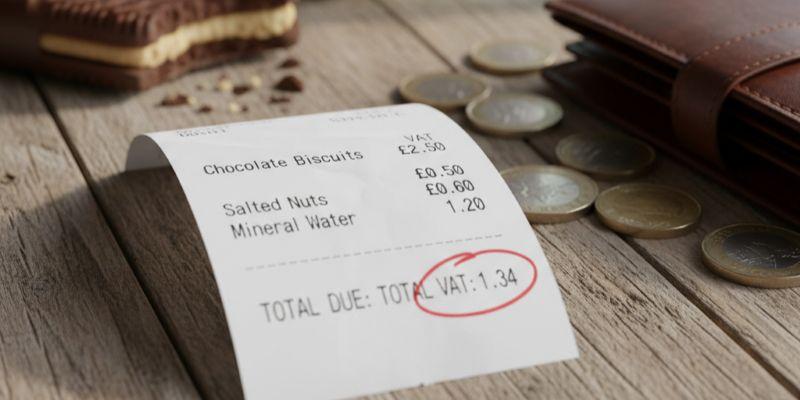
Gather proof before you start. Find receipts in email, banking apps, or retailer accounts. Snap photos of serial numbers, model labels, and appraisals. If you have none, note the purchase year and today’s estimated value. A quick web check gives a fair replacement cost. We want numbers insurers recognize.
Set your toolkit. Choose storage that survives disasters. Cloud drive with two-factor. A shared folder with a trusted person. Create one master file and a Photos or Video folder. Add a simple cadence. Calendar reminder every six months. Small updates beat big catch-up sessions that never happen.
Walk The House: A Simple Room-By-Room Flow
Start at the front door. Move clockwise. One room at a time. Film or photograph wide shots first. Then the big pieces. Sofa, TV, appliances, rugs. Open cabinets and drawers. Capture shelves and closets. End with quick close-ups of labels, tags, and serials. Speak names and values while recording.
Work in short sprints. Fifteen minutes per room keeps energy high. Skip consumables like pantry items. Focus on what is costly to replace. Group collections. Books, vinyl, tools, and sports gear can be logged as sets with counts and a total value. If something needs research, mark it and move on.
Capture Proof: Photos, Video, And Serial Numbers
Think like an adjuster. Clear photos show condition and brand. Get wide shots, then tight angles. Fill the frame. Avoid glare. Put a sticky note with today’s date in one shot for context. Name files as you go so you can search later without digging.
Use video for speed. Walk the room slowly. Narrate the item, brand, model, and ballpark value. Pause on labels and serial plates. Open drawers and cases. If you have receipts or appraisals, film those too. The goal is traceable proof, not cinematic flair.
Lock down identifiers. Serial numbers, model names, and unique marks win claims. Photograph manuals, warranty cards, and product pages. Save emails that confirm purchase. When the value is unclear, capture a quick screen recording of comparable prices. Add notes on condition, accessories, and bundles to avoid underpayment.
Smart Tools: Apps That Make It Easier
If you want automation, pick an app that exports cleanly. Sortly and Encircle handle photos, values, and reports. Memento and BluePlum are simple databases with structure. Google Photos and Apple Photos help with albums and search, then pair with a spreadsheet for totals and categories.
Look for barcode scanning, custom fields, and offline capture. Cloud sync is nonnegotiable. Two-factor keeps it safe. Test one small room before you commit. If it feels clunky, switch. The best tool is the one you keep using when life gets busy.
The Checklist: What To Capture For Every Item

We keep this tight. Each entry should answer what it is, what it’s worth, and how you prove it. If details are missing, write your best estimate and flag it to refine later. Consistency beats perfection. Accuracy grows with each quick pass.
- Item Name And Category
- Brand, Model, And Serial Number
- Purchase Date And Source
- Purchase Price And Current Replacement Value
- Condition And Notable Features
- Photos Or Video Proof
- Receipts, Appraisals, Or Warranty Info
- Location In Your Home
- Notes On Accessories Or Sets
Close the loop with a total value for the room. Compare that to your policy limits. If a category looks underinsured, mark it for a rider. This turns a simple list into real protection.
Keep It Safe: Where To Store And How To Update
Store everything where it survives a disaster. Use a cloud drive with two-factor and an encrypted backup on a separate device. Keep exports in PDF and CSV. Share read access with a trusted person. Add your policy numbers and agent contacts. Keep a master index that links rooms, photos, video, and receipts.
Build redundancy. Follow the 3-2-1 rule: three copies, two types of media, one off-site. Save app passwords in a password manager. Update after big purchases, renovations, moves, or gifts. When you change phones, confirm the app syncs. Do a yearly restore test so you know you can actually open everything.
Stay On Track: Quick Maintenance And Mini Audits
Make maintenance tiny and routine. Do a ten-minute monthly sweep: add new receipts, snap serials, tag photos with room names. Each quarter, audit one room. Confirm values still match replacement costs. If time is tight, capture high-value items first and leave low-risk basics for your next pass.
Use reports to compare totals against policy limits. If a category is close to the cap, call your agent about a rider. Note upgrades, bundles, and accessories to avoid underpayment. Archive items you sold or donated. Keep simple versioning and a short changelog so you show a clean trail during claims.
Your Next Step: Start Today In Ten Minutes
Pick your method, create a cloud folder, and set your naming style. Record one room on video, speaking about brands and values. Save it, export a quick CSV, and drop photos inside. Add your agent’s info to the folder. Set a six-month reminder. That’s momentum, and momentum wins claims.